BRAIN STUDIES / QUESTION 03
Can TB-500 or thymosin beta-4 help after a stroke?
Nobody knows. Lower amounts of the full protein helped rats, but doctors haven't tested the fragment in people.
What lower and higher amounts changed in rats
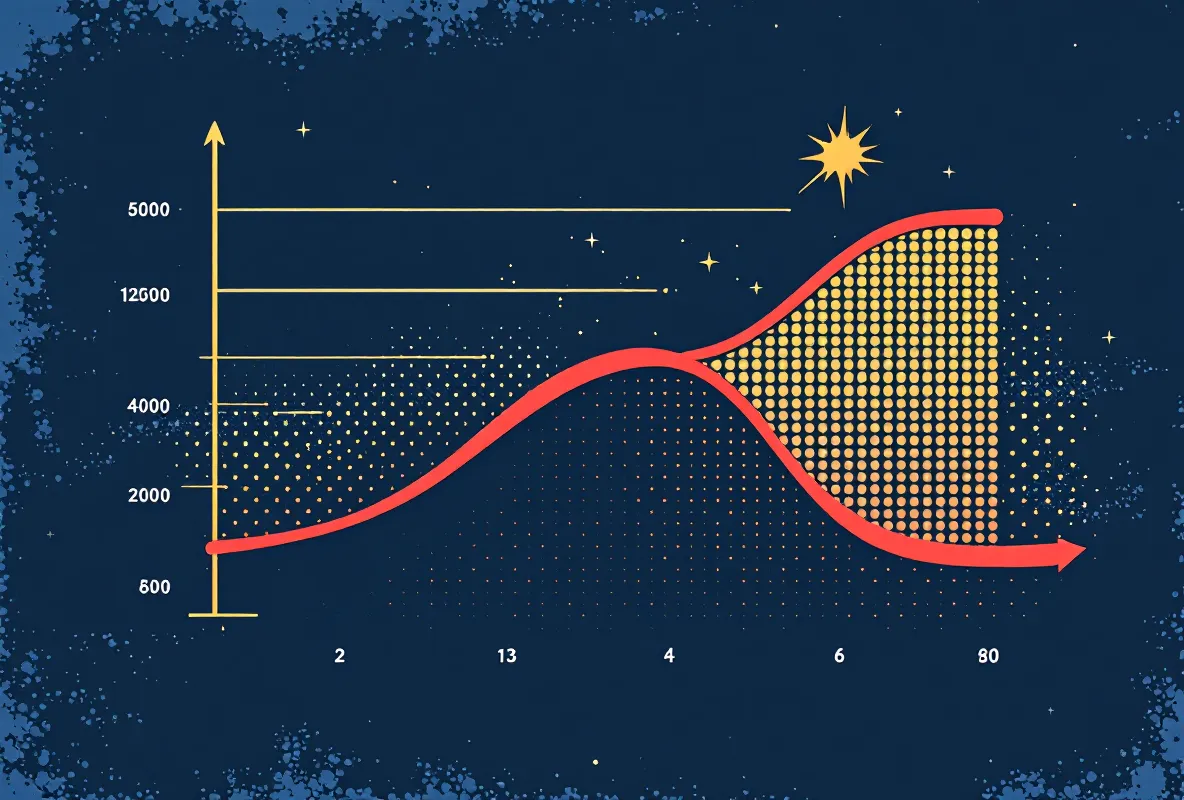
Can TB-500 protect your brain after a stroke? Nobody knows. The rat tests used full thymosin beta-4, and more thymosin beta-4 didn't work better [4]. Researchers gave rats belly shots of 2, 12, or 18 milligrams for a rat weighing one kilogram.
The shots began 24 hours after each stroke. From day 14 through day 56, movement scores improved with 2 and 12 milligrams per kilogram, while 18 milligrams per kilogram brought no gain, a sharp warning that more wasn't better. Your doctor can't turn those results into a human dose.
A math estimate guessed that the best amount fell below some tested amounts. The estimate wasn't an amount the rats actually received. The top amount erased the earlier gains. If you're tempted by the rat numbers, that failure is the warning.
A second report also found better recovery in rats given full thymosin beta-4 [8]. Neither report tested the small fragment or a person. You can't use the animal findings as a promise after your stroke. The human answer is still missing.
What the full protein changed after head injuries
What can animal head injuries tell you? In rats with head trauma, thymosin beta-4 helped the animals recover [7]. Our page on thymosin beta-4 stroke and brain-injury tests covers that work. In 2024, full thymosin beta-4 also helped damaged nerve fibers grow back in zebrafish [12].
Those nerve fibers carry messages through your body. A 1:1 grip links the full protein with actin [1]. Actin lets cells stay firm and move during repair. That may explain part of the animal result, but it can't promise you a benefit.
What the brain tests don't prove in people
Every brain result you just read came from animals. Almost every test used full thymosin beta-4, not the TB-500 fragment. Human evidence doesn't prove that TB-500 helps after your stroke or head injury. One early hospital heart-attack trial was withdrawn before anyone joined, so it gave you no human answer.
The full thymosin beta-4 protein helped some rats and zebrafish recover. The gains rose at lower amounts and then vanished higher up. Researchers haven't shown the same effect from the small fragment in your brain. You can dismiss any claim of proven human brain repair.
Did TB-500 protect the brain in animal tests?
In rat stroke tests, full thymosin beta-4 helped at 2 and 12 milligrams for a rat weighing one kilogram. It failed at 18 milligrams for a rat weighing one kilogram [4][7]. A 2024 review also found that the gain vanished higher up [12]. If you're asking about your brain, doctors haven't tested the fragment there [4].
What dose of thymosin beta-4 was used in stroke studies?
Rats got belly shots of thymosin beta-4 at 2, 12, and 18 milligrams for a rat weighing one kilogram. Shots began 24 hours after a stroke [4]. The 2 and 12 milligram amounts helped, but 18 milligrams did not. You can't turn a later math guess into your personal dose.